Safe-Haven Assets
Discover a world of tangible assets valued for their craftsmanship, rarity, provenance and enduring appeal. From precious metals and collectible cars to fine art and exceptional timepieces, explore the objects and stories that connect ownership with history, culture and personal passion.
Classic Cars
Classic cars bring together engineering, design and automotive history. Each remarkable vehicle tells a story, shaped by its craftsmanship, rarity, condition and provenance. Hamilton Premiere celebrates exceptional automobiles and the culture surrounding them, helping enthusiasts explore the heritage and enduring appeal of classic motoring.
Every vehicle is unique, and careful research is essential when considering an acquisition.
The world of classics
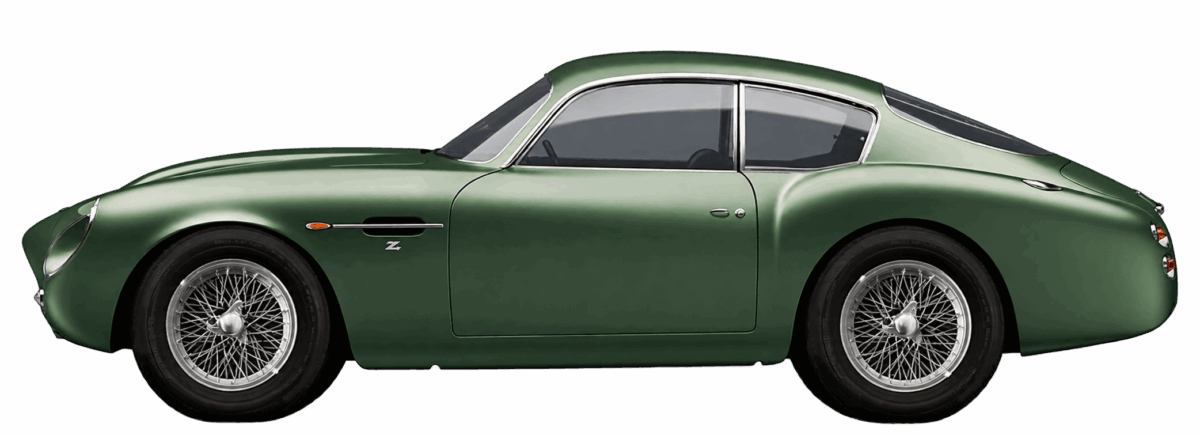
Classic cars combine design, engineering and history in a uniquely tangible form. From iconic marques to rare and historically significant models, each vehicle has its own character and story.
Hamilton Premiere celebrates the world of classic motoring, with a focus on craftsmanship, provenance and the passion that brings collectors together.
-
Heritage
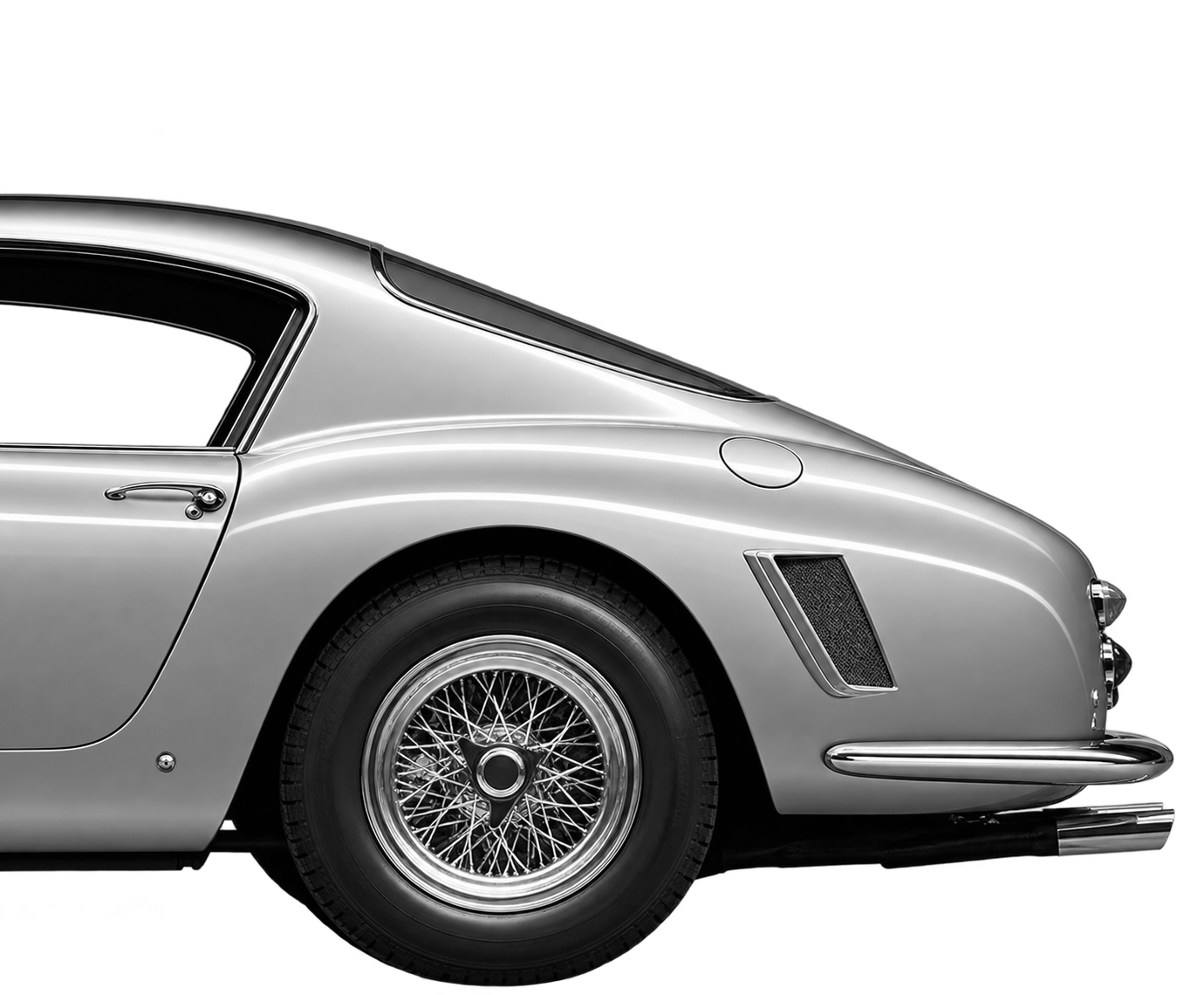
Classic cars preserve the history of iconic marques, celebrated designers and remarkable engineering.
-
Rarity
Limited production, distinctive specifications and uncommon models make certain cars especially sought after.
-
Authenticity
Originality, matching numbers and documented history help to confirm a car’s identity and the story it tells.
-
Collecting
Discover the pleasure of collecting exceptional automobiles, guided by personal passion and appreciation.
Classic cars: an asset to own and to enjoy
Another important factor to consider is that classic cars can offer value beyond potential appreciation: they can be driven and enjoyed, while potentially benefiting from a more favourable tax treatment than other investment assets.
In other words, they represent a tangible asset that can be both owned and enjoyed.
Investing in classic cars can therefore offer more than the prospect of financial returns over the medium to long term. It can also be a strategic way to combine a passion for motoring with the potential to build wealth.
A well-diversified portfolio should include a balance of equities and bonds, while also considering alternative asset classes that may deliver positive financial and commercial performance over the long term.
[Source: add the full reference for these figures]
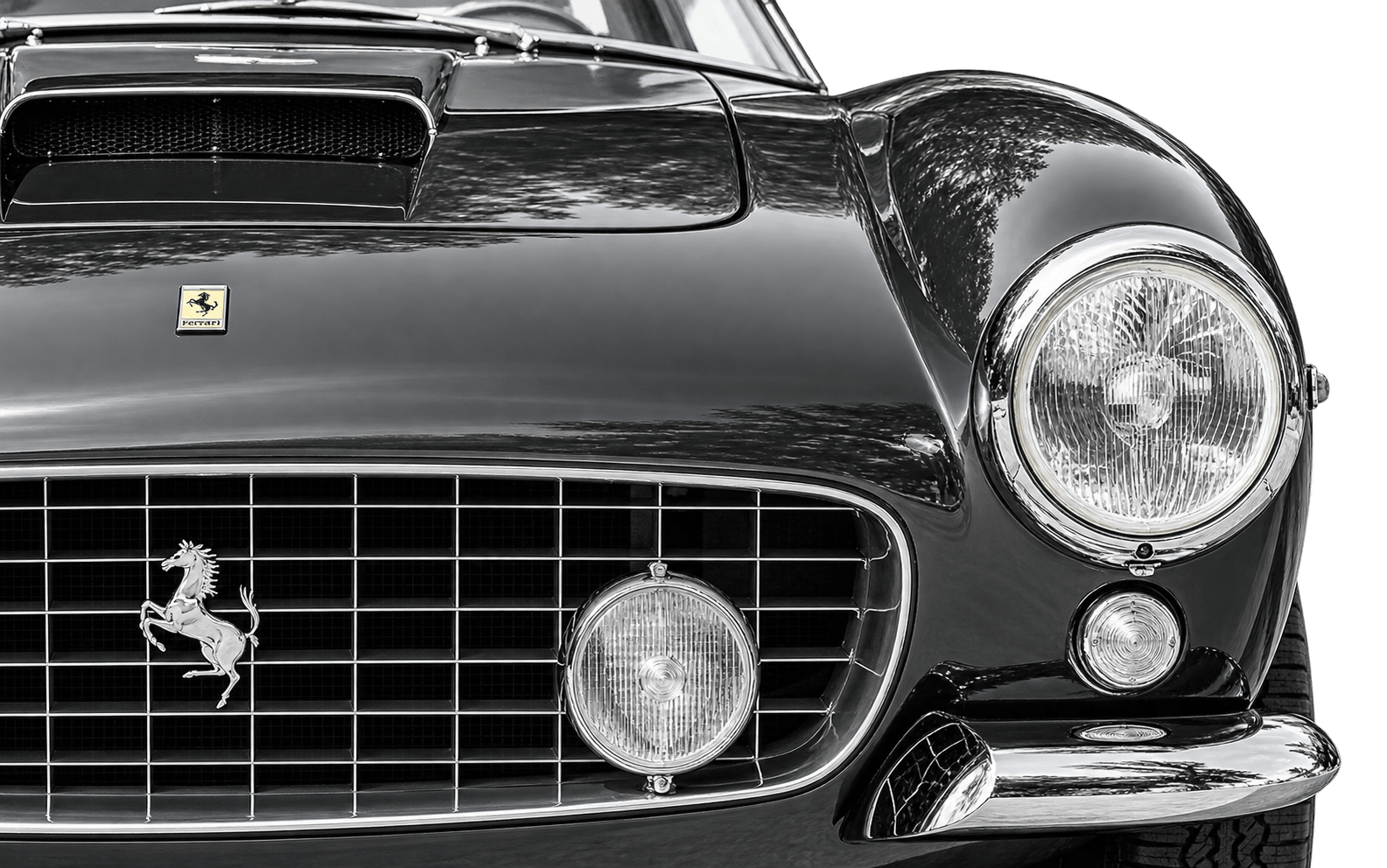
Contrary to what some might expect, the classic car market has experienced substantial price growth in recent years. According to research by leading organisations in the investment sector, including the Coutts Index and K500, collectible cars rank among the top five luxury assets for investment performance since 2005, making them one of the strongest-performing asset classes despite fluctuations in the financial markets.
The Art of Watchmaking
Discover the world of fine watchmaking, where precision engineering, exceptional craftsmanship and timeless design come together. From iconic models to remarkable complications, every timepiece tells a story of innovation, heritage and individual character. Hamilton Premiere celebrates the details and traditions that make fine watches so compelling to collectors and enthusiasts.
Fine watches represent a remarkable meeting of technical ingenuity and artistic expression. Behind every dial, movement and carefully finished component lies a tradition of precision, patience and expertise.
From historic watchmakers to contemporary creations, each timepiece reflects its own design philosophy and place in horological history. Some are admired for their technical complexity, others for their understated elegance, rarity or connection to significant moments in time.
For collectors, the appeal extends beyond appearance. Originality, condition, provenance and documented service history can all contribute to understanding a watch and its individual significance.
Hamilton Premiere celebrates fine watchmaking through an appreciation of craftsmanship, authenticity and the stories behind exceptional timepieces. Every watch has its own character, inviting a closer look at the details that make it distinctive.
The production of a fine watch can involve intricate engineering, meticulous finishing and specialist skills developed over many years. Some models are distinguished by their complications, others by their materials, proportions or historical importance.
Availability can also influence a watch’s appeal. Limited production and strong demand may make certain models difficult to obtain, although scarcity alone does not guarantee desirability or value.
For collectors, understanding these details is part of the pleasure of exploring fine watchmaking.
Collecting fine watches is about more than market performance. For many enthusiasts, the attraction lies in a distinctive design, an important place in horological history or the opportunity to own a remarkable example of mechanical craftsmanship.
A watch may also carry personal meaning, becoming an object to cherish and pass down through generations. This connection between precision, memory and heritage is part of what makes fine watchmaking so enduring.
While some timepieces attract significant interest on the secondary market, prices can fluctuate and resale is never guaranteed. Authenticity, condition, service history and provenance are essential considerations when evaluating a watch.
The appeal of vintage timepieces
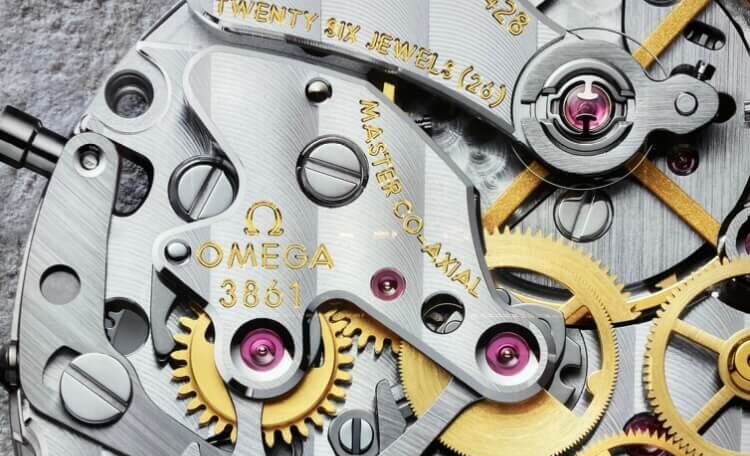
Vintage watches offer a tangible connection to the history of design and engineering. From the iconic Rolex GMT-Master to the Omega Speedmaster, historic models can tell stories of exploration, innovation and changing styles.
Each vintage timepiece has its own characteristics. Original components, condition, documented provenance and service history can all influence its interest to collectors.
The pre-owned market also requires careful consideration. Buyers should assess authenticity, originality and the reputation of the seller, and seek independent expertise when appropriate. A thoughtful approach helps ensure that the focus remains on the watch itself: its history, craftsmanship and distinctive character.
Tangible assets, enduring value
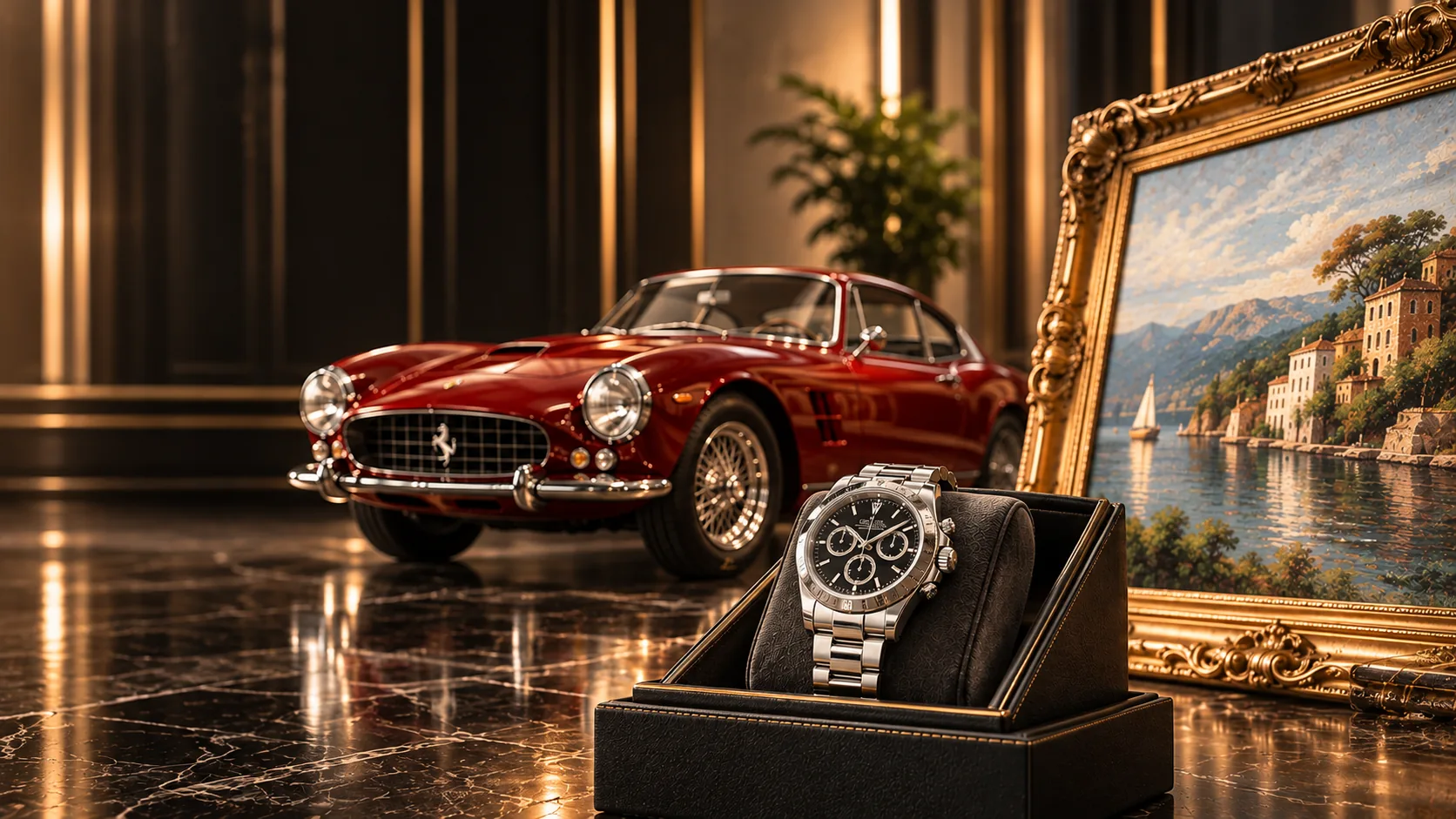
Classic cars, luxury watches and works of art: assets you can own, enjoy and pass on, considered as part of a balanced, long-term approach to wealth.
Investing in watches: the safe-haven asset concept
Long regarded as symbols of prestige and refinement, luxury watches are often viewed, alongside gold and diamonds, as assets that may help preserve wealth during periods of economic uncertainty.
Yet a watch is far more than an alternative source of income. Collectors understand that it is an accessory with a unique evocative and symbolic power.
A safe-haven asset can be thought of as an anchor in a storm.
One of the defining characteristics of the stock market is its cyclical nature. Economic systems go through periods of crisis, followed by recoveries that can bring renewed optimism for the future. Recessions, however, can unsettle investors, who may be unsure how best to protect their capital during such uncertain times.
Safe-haven assets are investments that may help preserve capital during economic downturns. Gold, wine and watches, for example, can attract greater interest during periods of economic uncertainty, although their values do not always rise when the wider economy weakens.
Why invest in watches?
Suppose you have around €10,000 to invest. With this budget, you could purchase a Rolex Submariner, the brand’s iconic diving watch, which has a stated retail price starting at €9,000. Four years after purchasing it, you might be able to resell it for €10,800, representing a potential gain of 20% on the original purchase price.
Compared with the interest rates offered on current accounts, it is easy to see why luxury watches attract the attention of investors. However, actual returns depend on the model, market conditions, transaction costs and the price achieved on resale.
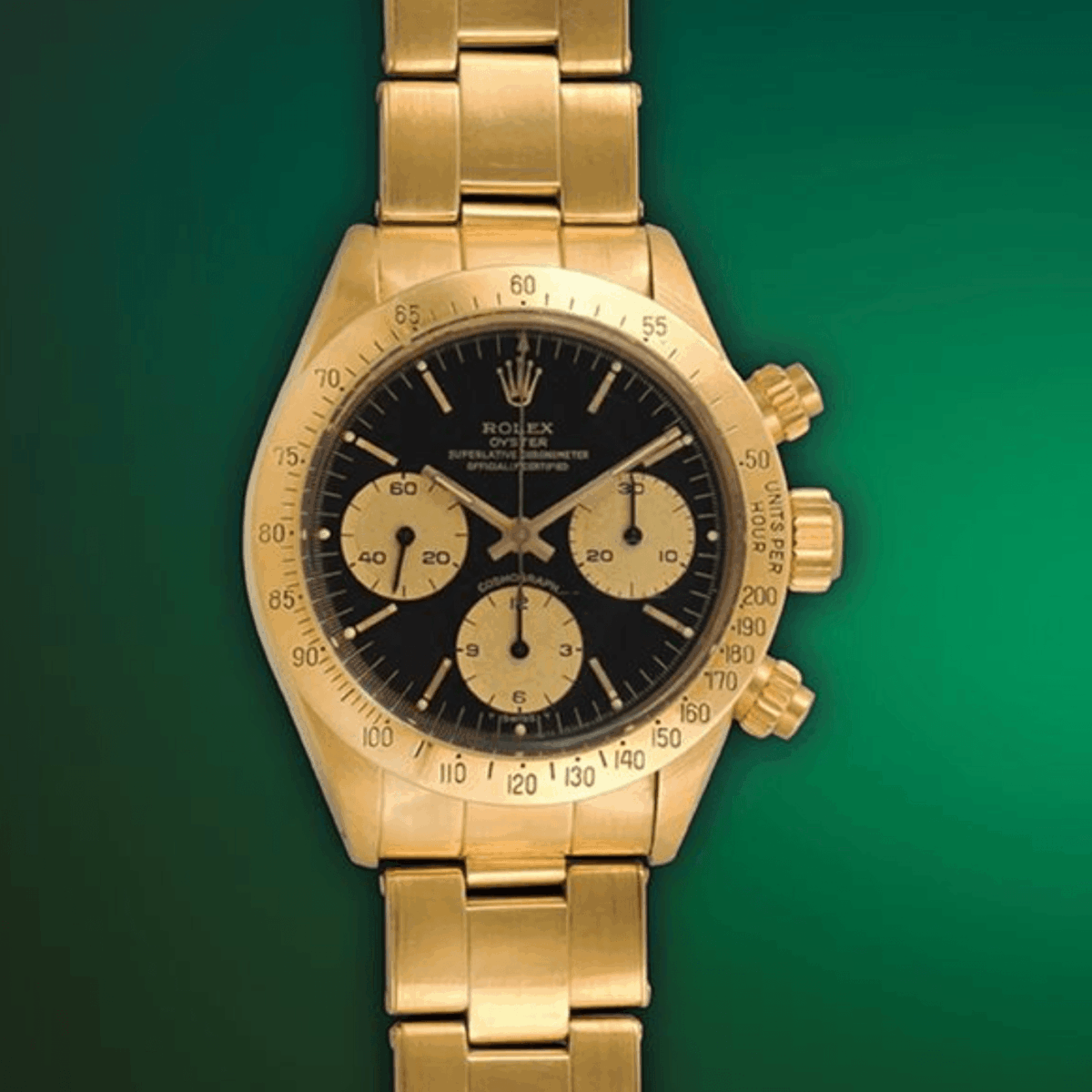
Over the past two decades, prices for iconic watches from brands such as Patek Philippe, Omega, Blancpain, Audemars Piguet and Rolex have risen significantly, driven in part by growing demand and the relative scarcity of certain models. Demand for the celebrated Patek Philippe Nautilus has, at times, been so strong that waiting lists have closed, while buyers of an Audemars Piguet Royal Oak 15202 have faced lengthy waiting times for a model with a stated retail price of €28,000.
These are exceptional timepieces, crafted with a high degree of precision, with movements developed through years of research and premium materials such as gold and platinum. Some market observers also point to artificial scarcity: limiting production can make certain models harder to obtain and may contribute to higher prices, a reflection of the basic principle of supply and demand. The growing number of enthusiasts has also stimulated the pre-owned market.
Results vary across models and time periods, and past returns are no guarantee of future performance. [Source: add the full reference]
Portfolio diversification
Luxury watches can represent an alternative asset class that may help diversify an investment portfolio. A balanced strategy across different asset classes can help manage risk and support long-term financial objectives.
Potential for capital appreciation
Certain watches have achieved substantial price increases over time, although performance varies considerably by brand, model, condition and purchase price. Return on investment (ROI) measures, in simple terms, the gain or loss generated relative to the amount invested.
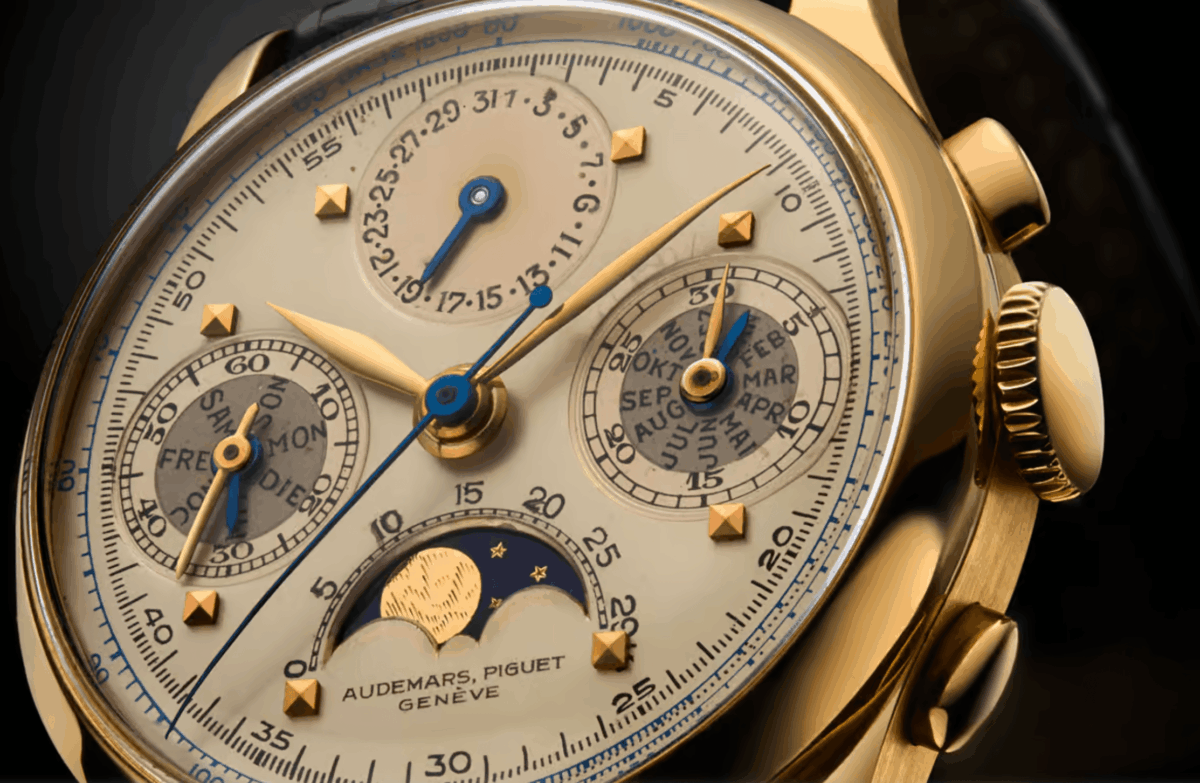
“You never actually own a Patek Philippe. You merely look after it for the next generation.”
This famous slogan from the renowned Swiss watchmaker captures the emotion and heritage associated with a timepiece that continues to embody style and elegance across generations.A carefully selected watch may offer the potential for capital appreciation, even during periods of market uncertainty. However, achieving favourable long-term results while managing risk requires a thorough understanding of individual models, market dynamics and an appropriate investment strategy.
Investing in luxury watches is about more than portfolio diversification. Long associated with prestige and longevity, a watch marks the passage of time, conveys a sense of status and preserves a tangible connection to the past, an object that can be cherished and passed down through generations.
In the world of horology, emotion plays a central role in purchasing decisions. Following a period of negative performance in the cryptocurrency market, watch prices also began to soften amid broader international uncertainty. Nevertheless, some models continued to hold their value, while others recorded significant gains.
Investing in vintage watches
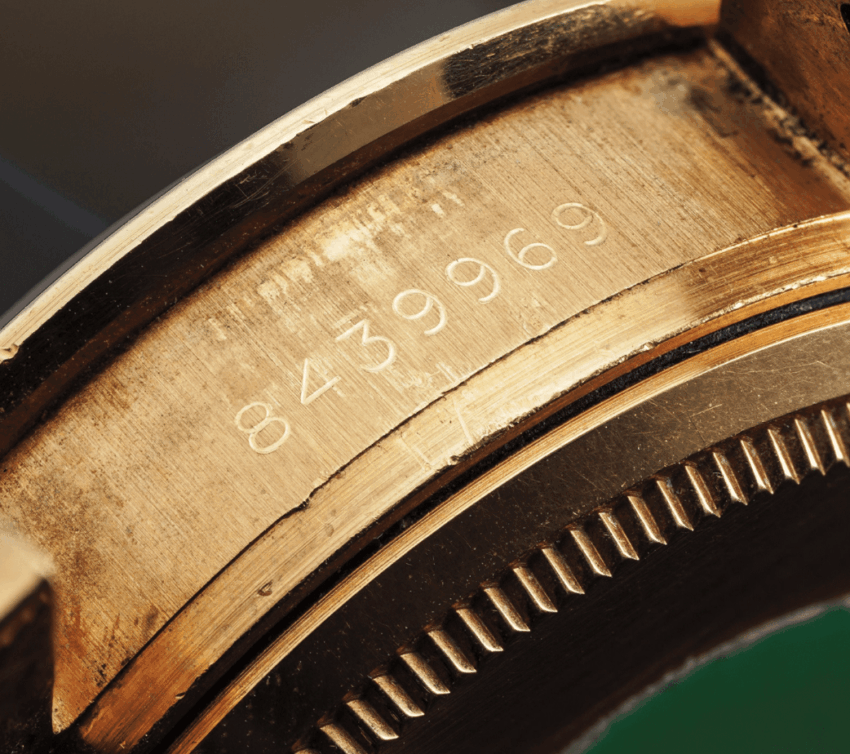
In recent years, interest in luxury vintage watches has grown considerably. Models such as the Rolex GMT-Master and the Omega Speedmaster illustrate the appeal of timepieces that have gained value over time. A vintage watch can become a highly sought-after collector’s item and a symbol of prestige that may be difficult to replicate with modern models.
Buying a vintage timepiece means entering the pre-owned market. Purchasing from a reputable authorised dealer can offer additional safeguards, whereas private sales require greater care and due diligence. Buyers should be aware of the risks involved, including authenticity, condition, provenance and the possibility of overpaying.